Looking for a North Austin neighborhood that feels relaxed, stays close to daily needs, and keeps your commute simple? If you want tree‑lined streets, parks and trails nearby, and a price point that is easier than central Austin, Milwood is worth a closer look. In this guide, you’ll learn where Milwood sits, what homes are like, how far your errands and commutes might be, and what to verify before you buy. You’ll also get tips to shop the area with confidence. Let’s dive in.
Where Milwood fits in Austin
Milwood sits in North Austin with a footprint that touches ZIP codes 78727 and 78729. It is roughly bounded by Parmer Lane to the north, the Amherst Drive area to the south, and generally east of the US‑183 corridor with access toward MoPac. The area includes several internal subdivisions that many locals group under the broader Milwood umbrella. You can get a helpful neighborhood overview from the Milwood Neighborhood Association.
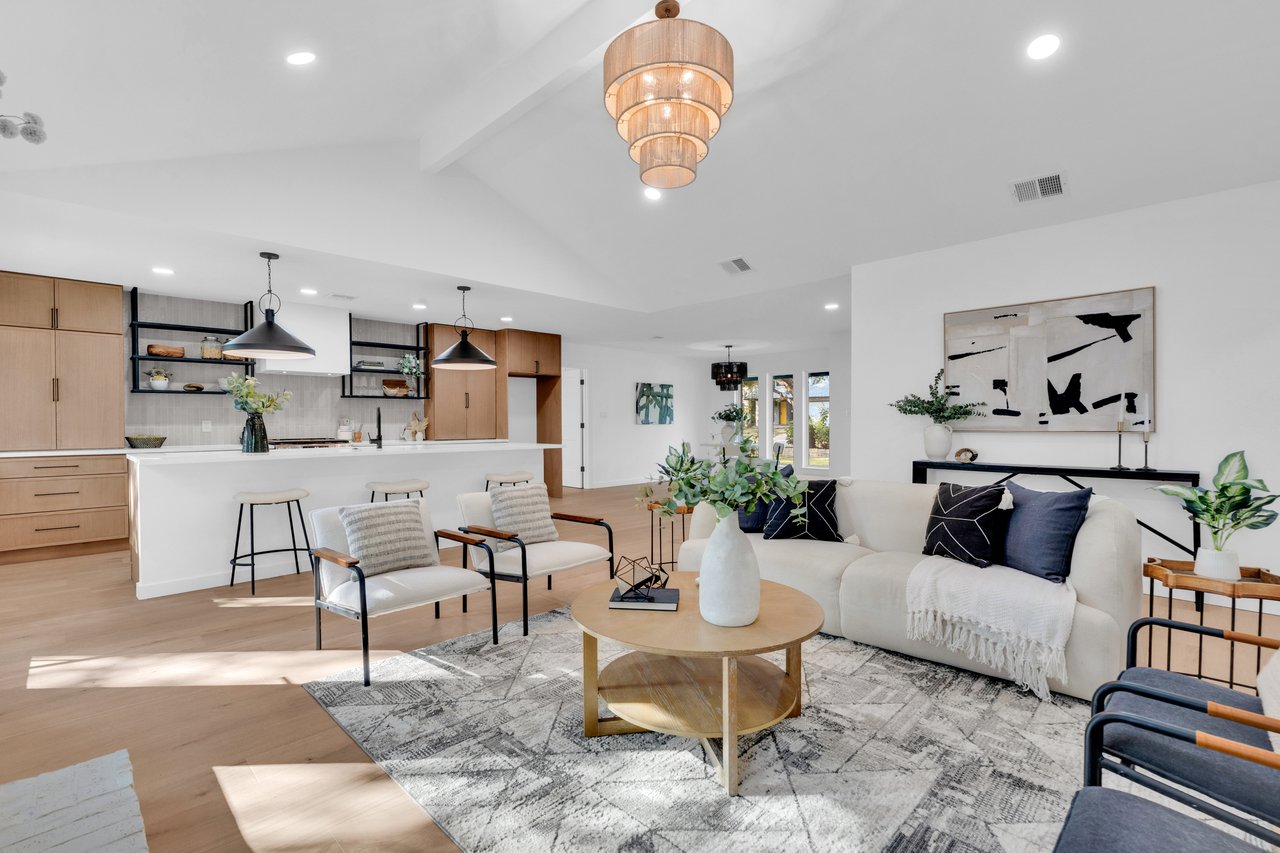
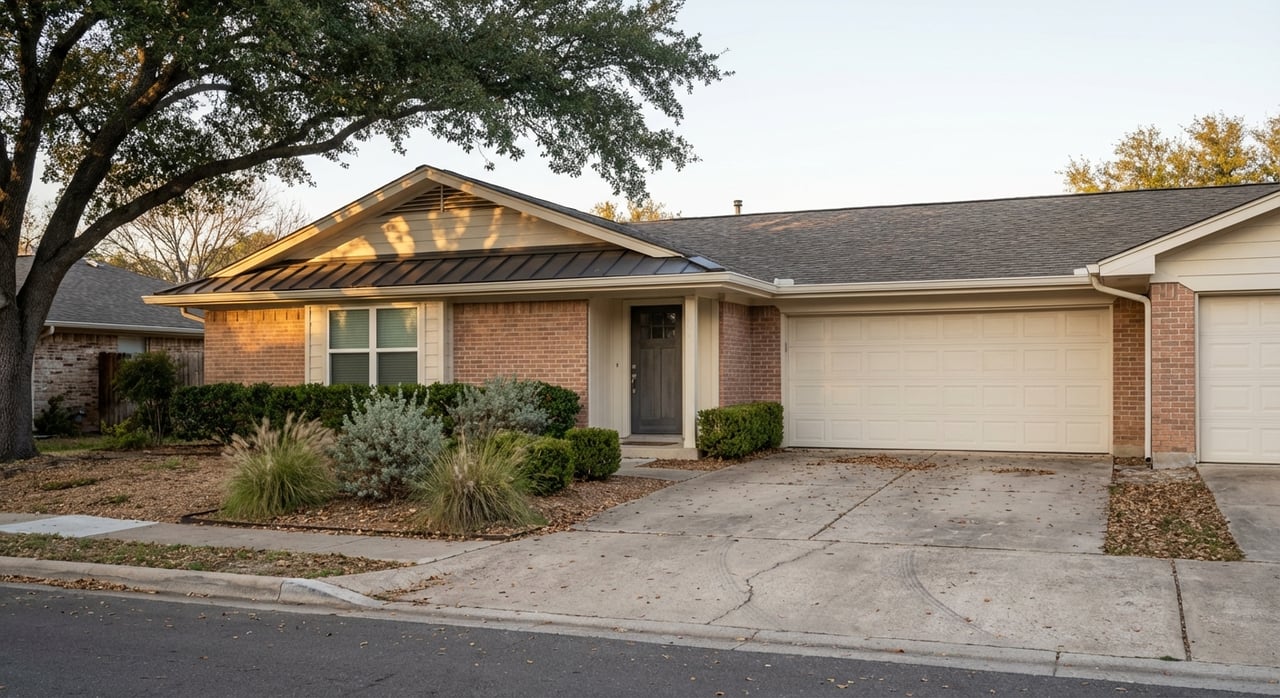
Most homes were built in the late 1970s and 1980s, with some 1990s infill and today’s renovations mixed in. Streets are shaded, lots feel suburban, and you’ll see a mix of single‑story ranch styles and traditional two‑story brick homes. Milwood is largely non‑HOA, and the neighborhood association operates on a voluntary basis with events and park projects that add to the community feel.
Homes and price ranges
You’ll mostly find single‑family homes in the 1,200 to 2,200 square foot range, set on lots that work well for pets, gardens, and outdoor space. Many properties have seen updates over the years, especially kitchens, roofs, systems, and backyard living areas. Some subsections have neighborhood parks and pools managed by local entities.
Recent market trackers place Milwood’s pricing as more affordable than central Austin while above the most outlying suburbs. As a working snapshot, a typical range sits from the mid‑$400ks to the low‑$500ks, with price per square foot often reported in the mid to high $200s. Exact pricing varies by address, lot, updates, and micro‑location, so plan to verify with current comps when you get serious on a property.
What affects value in Milwood
- School zoning can differ by street between Austin ISD and Round Rock ISD. That split can influence demand and pricing.
- Renovation level and major systems matter. Well‑updated homes often command a premium.
- Micro‑subdivisions and street placement can affect value. Proximity to parks or trail access is a plus for many buyers.
- Taxes and any MUD fees are address specific. Factor these into your total monthly budget.
Parks, pools, and outdoor life
One of Milwood’s daily strengths is easy green space. On the southern edge, Balcones District Park offers play areas, sports courts, a pool, and access to the Northern Walnut Creek Trail. This paved and natural‑surface trail network is used for walking, running, and cycling, and it links into a larger city system. Learn more about the park and trail access through the Balcones District Park overview.
Across Milwood, you’ll also find pocket parks such as Rattan Creek Park and Robinson Park. Neighborhood pools and youth programs operate in several subsections, which makes it easy to plug into swim teams and casual sports without long drives.
Everyday errands and nearby fun
Daily errands are simple. Grocery options and big‑box retail cluster along the Parmer and 183 corridors, so you can grab groceries, pharmacy items, and a quick bite within minutes. Larger retail and entertainment hubs like The Domain and the Lakeline area are a short drive away, which gives you more dining, shopping, and evening choices without heading downtown.
The Milwood Branch of the Austin Public Library sits inside the neighborhood at 12500 Amherst Dr. It serves as a community hub with programs and meeting space. You can see examples of branch programming through the city’s site for the Milwood Branch Library.
Schools and zoning basics
Milwood spans two districts depending on the exact address:
- Austin ISD areas commonly feed Summitt Elementary, Murchison Middle, and Anderson High. Always confirm a specific address with the district.
- Round Rock ISD areas often feed Jollyville Elementary and different middle and high school paths based on micro‑zones. Confirm with the district before you rely on a feeder pattern.
School boundaries can change. Use district tools and direct checks to verify any home’s current assignment. For Austin ISD resources, start with the district’s schools information, then use address‑specific lookups to confirm details.
Taxes, MUDs, and neighborhood association
Milwood is largely non‑HOA, and the neighborhood association is voluntary. Some sections fall within Municipal Utility Districts (MUDs) that provide services and may levy fees. The association’s neighborhood guide notes property tax and MUD considerations. Before you write an offer, review the property’s tax statement and confirm any MUD obligations so you have a clear total cost picture.
Commute and getting around
Milwood is built around car access, with Parmer Lane, US‑183, and MoPac as primary routes. Many residents report about 10 to 15 minutes to The Domain and around 20 to 30 minutes to downtown Austin under typical traffic, depending on start and end points and time of day. If commute time is a priority, test a drive during your normal rush hour to set expectations.
Capital Metro’s regional services serve the broader North Austin area. Bus routes and the Red Line commuter rail with Lakeline and Kramer/Howard area stations offer options for certain trips, though most Milwood households rely on driving for daily errands. Local reporting on Austin mobility provides helpful context on how people navigate the city, including rail and bus options, in this KUT transportation overview. Regional projects on US‑183 and MoPac can also affect peak travel, so check current conditions if timing is tight.
Who Milwood fits
- First‑time buyers who want a North Austin location, suburban yards, and an approachable price point compared to central neighborhoods.
- Buyers planning light to moderate updates. Many 1980s homes are solid candidates for value‑add improvements.
- Households who want close‑by parks and trails, neighborhood pools, and a short drive to major job centers in tech and healthcare.
How to shop Milwood smart
Use this simple plan to make confident decisions:
- Verify school zoning by address. Because the area spans AISD and RRISD, check district tools for each home on your list.
- Confirm total taxes and any MUD fees. Pull the property’s most recent tax statement and ask for utility district details.
- Review hyper‑local comps. Compare recent solds within the same micro‑subdivision and similar build years and updates.
- Test your commute. Drive to your workplace during your typical rush hour from a few streets you like.
- Walk the parks and trails. Visit Balcones District Park and the Northern Walnut Creek Trail to feel the neighborhood’s outdoor rhythm.
- Note renovation scope. Plan your budget for desired updates like kitchens, roofs, windows, or outdoor spaces.
- Ask about pools and programs. If a neighborhood pool or youth sports matter to you, confirm access and schedules in the specific subsection.
- Meet the community. The neighborhood association hosts events and volunteer days that are a good way to get connected.
Final thoughts
Milwood offers the North Austin mix many people want: practical homes, everyday convenience, strong park and trail access, and a price range that makes sense for a wide set of buyers. If you like the idea of tree‑lined streets, suburban yards, and quick trips to The Domain or Parmer‑area employers, put Milwood on your short list. When you are ready to tour homes and compare micro‑sections, reach out. I’ll help you verify school zones, taxes, comps, and commute times so your decision is clear and confident.
Have questions or want to see what’s on the market now? Let’s talk. Connect with Erik Tran to get a plan that fits your goals.
FAQs
What and where is Milwood in Austin?
- Milwood is an established North Austin neighborhood near Parmer Lane, US‑183, and MoPac, with sections in ZIPs 78727 and 78729 and several internal subdivisions.
Does Milwood have an HOA or neighborhood dues?
- Most of Milwood is non‑HOA with a voluntary neighborhood association that supports events and park projects; see the association’s neighborhood overview for details.
What are typical home prices in Milwood?
- Market trackers commonly place Milwood in the mid‑$400ks to low‑$500ks, with exact pricing varying by address, lot, updates, and micro‑location.
Which schools serve Milwood homes?
- Milwood spans Austin ISD and Round Rock ISD; AISD areas commonly feed Summitt Elementary, Murchison Middle, and Anderson High, and all assignments should be verified by address using district tools such as Austin ISD’s resources.
How long is the commute from Milwood?
- Many residents report about 10–15 minutes to The Domain and roughly 20–30 minutes to downtown Austin under typical traffic, depending on route and time of day.
What parks and trails are near Milwood?
- Balcones District Park anchors the south edge with a pool and sports facilities, and the Northern Walnut Creek Trail provides paved and natural‑surface paths; see the Balcones District Park details.
Is there public transit near Milwood?
- Capital Metro bus routes and the Red Line commuter rail at Lakeline and Kramer/Howard area stations provide options for certain trips, though most households drive for daily needs; see this KUT transportation overview for general Austin mobility context.